
Did you know that the coldest place on earth, Antarctica, is also the fastest warming? Global warming is heating up the Antarctic faster than most other regions, making its fantastic marine biodiversity more threatened than any other continent’s.
Take Antarctic icefish for example. Cold water holds much more oxygen than warm. Icefish have evolved to take advantage of this fact by no longer wasting energy and nutrients on making oxygen-carrying red blood cells. The downside? When the water warms, even just a little, they can no longer get the oxygen they need to live.
Icefish are not alone. Global warming threatens all Antarctic species.
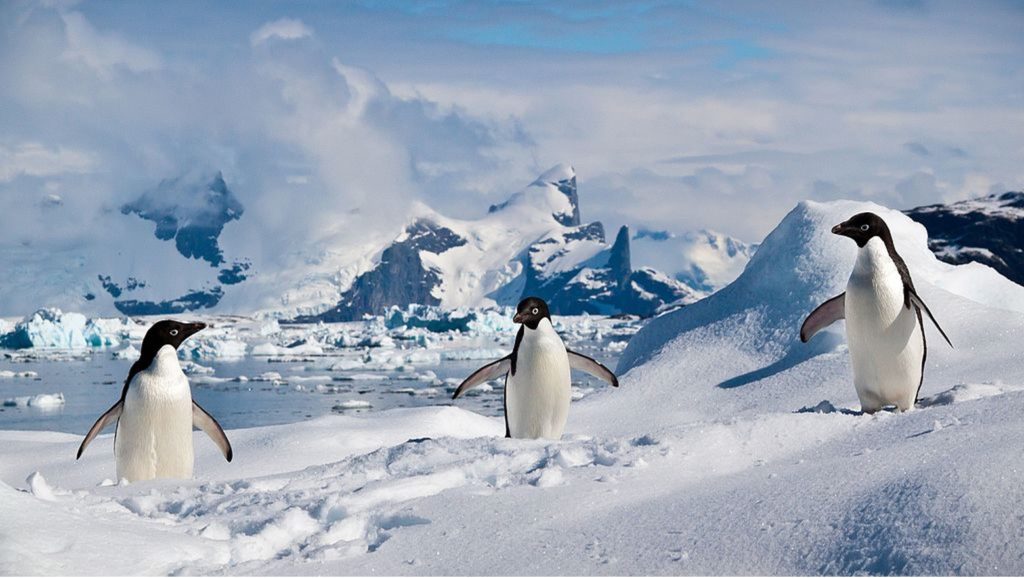
To attack this serious problem, OGL has joined with dozens of polar researchers to propose an Antarctic Biorepository Network to make Antarctic biological specimens available to all researchers who need them. The aim is to discover how global warming is affecting Antarctic species, and to better understand how to protect them.
You can read about our plan in this new article, “The time is right for an Antarctic biorepository network,” in the current issue of Proceedings of the National Academy of Science (PNAS).
If you like this work, and would like to support it, please give generously to OGL.