
ABOUT / News
NEWS
There’s a lot going on in the OGL lab and under the sea. Read news briefs, articles, announcements, and more. Also, don’t forget to subscribe to our email newsletter.
OGL NEWS BRIEFS

OGL Awards Two Northeastern Marine Science PhD Students with the 2026 Doctoral Ocean Collections Award
Emily Stangel, Collections Assistant and Dan Distel, Director August 10, 2026 PhD candidates Angela Jones and Marcella Heineke, inaugural recipients of the OGL Doctoral Ocean Collections (DOC) Award. With research budgets tightening and environments changing at a...
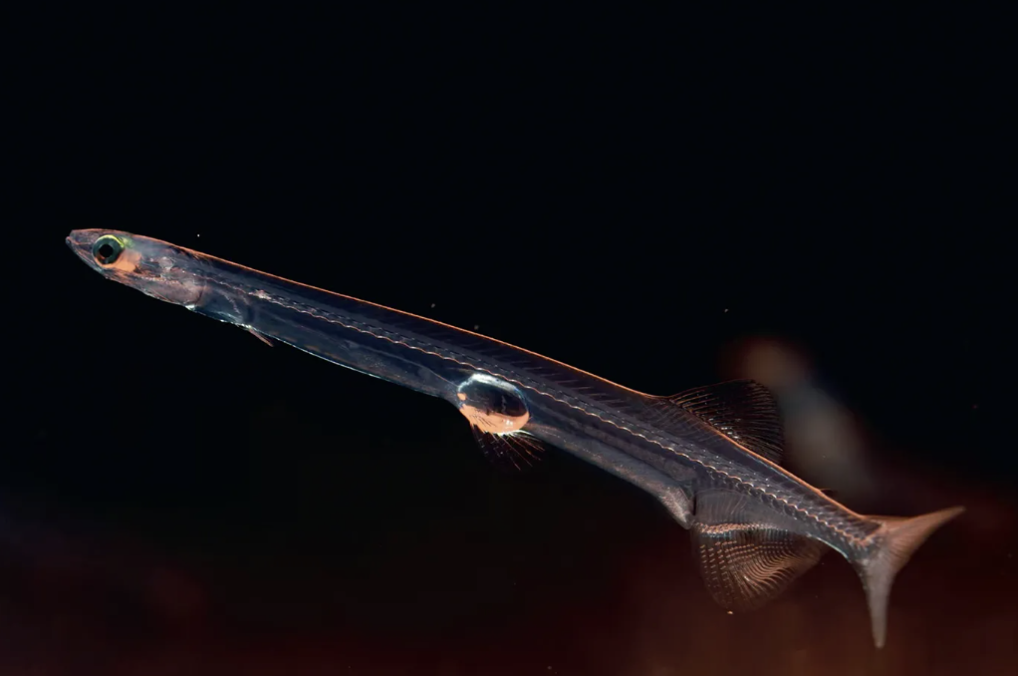
Meet the Second Fish on Earth with No Red Blood Cells—And It’s Nothing Like the First
Emily Stangel, Collections Assistant and Dan Distel, Director May 29, 2026 Antarctic icefish are known to be the only vertebrates on Earth to have lost functional red blood cells during their evolution ... until now. H. William Detrich, long-term Ocean...
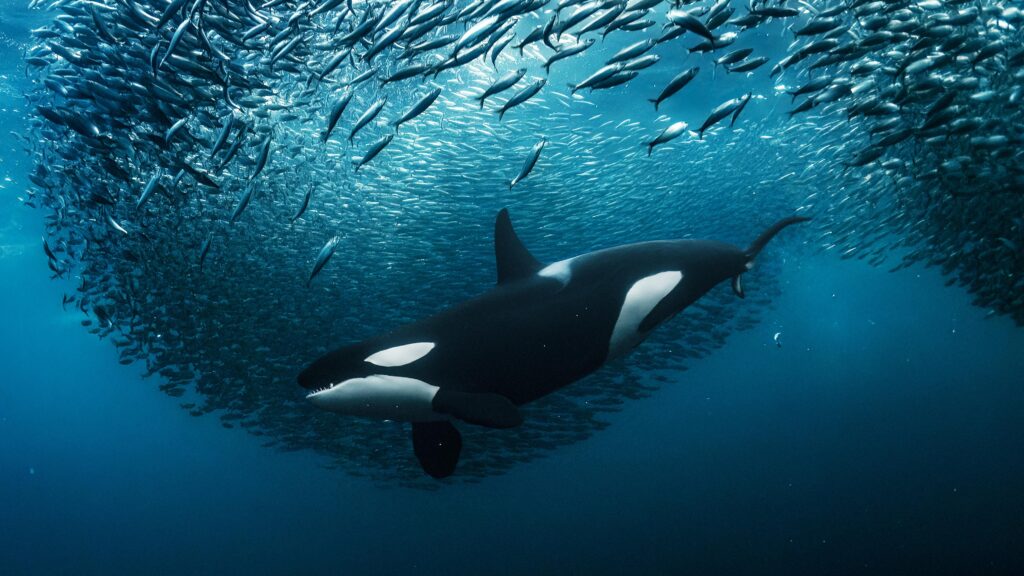
The U.N. High Seas Treaty: Safeguarding Marine Biodiversity
Emily Stangel, Collections Assistant and Dan Distel, Director March 17, 2026 Andy Schmid, UN World Oceans Day 2023 photo competition / Andy Schmid The high seas once lacked environmental protections against overfishing, habitat destruction, and unregulated...
OGL joins the Earth BioGenome Project!
By Emily Stangel, Collection Assistant Co-op and Dan Distel, Director of OGL We are excited to announce that the Ocean Genome Legacy Center (OGL) has joined the Earth BioGenome Project (EBP)! A global network of more than 60 affiliated organizations and...

GLP-1: How a gene from an ugly marine fish changed the way we treat diabetes and obesity
By Julia DiPinto and Dan Distel A specimen of American anglerfish Lophius americanus. (Credit: Mike Beauregard from Nunavut, Canada - pull my finger, CC BY 2.0, https://commons.wikimedia.org/w/index.php?curid=34612997) Sometimes the answers to challenges on land...

Spooky Scary Skeleton Shrimps!
By Julia DiPinto and Dan Distel Get ready for Halloween by learning about a spooky species that OGL has in our very own biorepository: the skeleton shrimp! These fascinating creatures are also known as “ghost shrimp” because of their ability to hide...