
Squid, horseshoe crabs, and sea anemones are fascinating representatives of ocean life. And as new additions to the Ocean Genome Legacy (OGL) biorepository, they are important “model” organisms essential to biomedical research.
Why are these sea creatures “models”? They’re helpful examples that make it easier to understand the basic biology of all animals, including humans. For example, squid are useful in neuroscience because their exceptionally large nerve fiber helps researchers explore the mysteries of the brain. Horseshoe crabs are important for medical and safety testing because their unusual blue blood can detect bacterial toxins. The starlet sea anemone, with its translucent and simple body structure, shows scientists how animals develop.
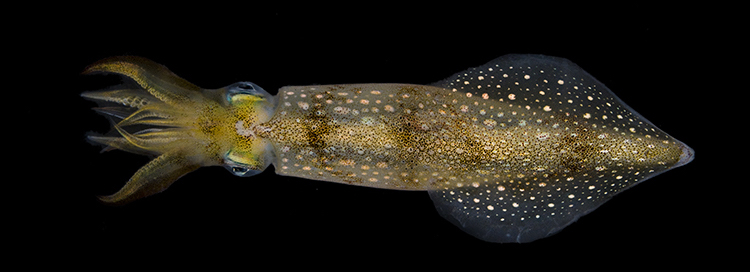
To promote biomedical breakthroughs, OGL is making these exemplary genomes widely available. The 80 new samples, representing 55 species (including seven models), were collected near Woods Hole, MA by the Marine Biological Laboratory’s Marine Resources Department Manager David Remsen and summer intern Grace Anderson. Now, with the samples banked at OGL, researchers won’t need a boat or a beach to study the genetic secrets of these model organisms and other marine marvels.
The OGL biorepository works with scientists around the globe to preserve valuable DNA samples that can lead to new cures and discoveries. If you would like to support our efforts, please consider making a gift.