
The undergraduate research capacity of the Marine Science Center is one of the cornerstones of the program and community. Each semester, students from Northeastern’s renowned co-op program join the MSC community, working with research labs and program teams to increase research productivity and breadth and to provide invaluable learning experiences for the students. This past semester’s co-op students were able to overcome the challenges and upheavals of COVID-19 and presented their recent research at the biannual Undergraduate Research Symposium last month. The Symposium, co-hosted by the Marine Science Center’s Outreach Program and Ocean Genome Legacy Center, was held virtually for the first time this semester, and over 40 community members tuned in via Zoom to learn from and support these undergraduate researchers.

Lark Parmalee, a capstone student in the Helmuth Lab, compared biodiversity indices of the rocky intertidal generated by in situ quadrats and photo quadrats. In situ quadrats measured higher levels of biodiversity, photo quadrats remain an important tool for rapid and remote data collection.
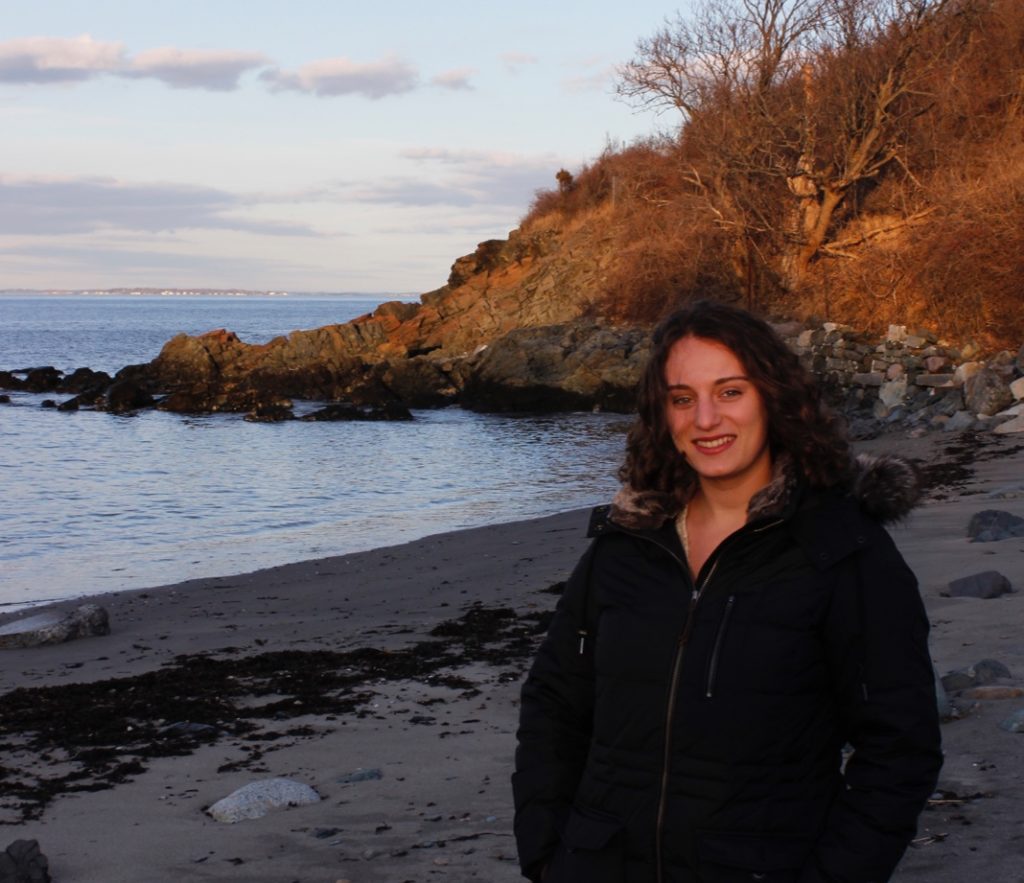
Lizzy Soranno, a co-op with the Ocean Genome Legacy Center, showed that preservative pH is an important determinant of DNA preservation for tissues of five aquatic invertebrate species stored in an EDTA-based DNA preservative.
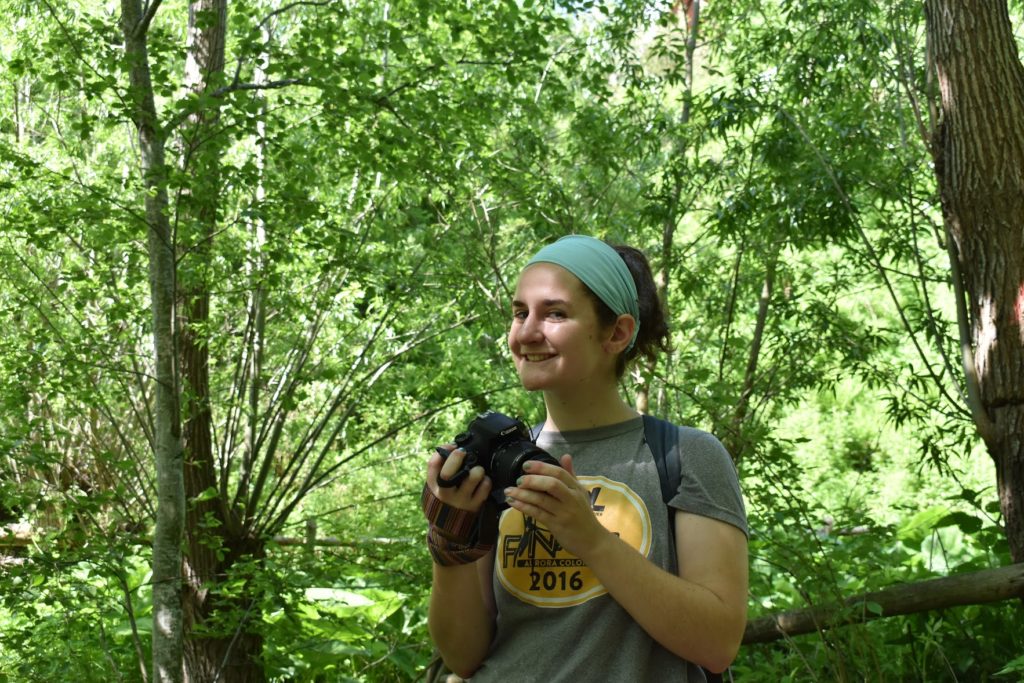
Tess Mahon Kuzin, a co-op with the Outreach Program, reflected on the educational programs she helped coordinate, connecting MSC research and STEM with area schools. with at the Johnson Elementary School, including Whale Day, the High School Marine Science Symposium, and resources she helped develop for remote learning.
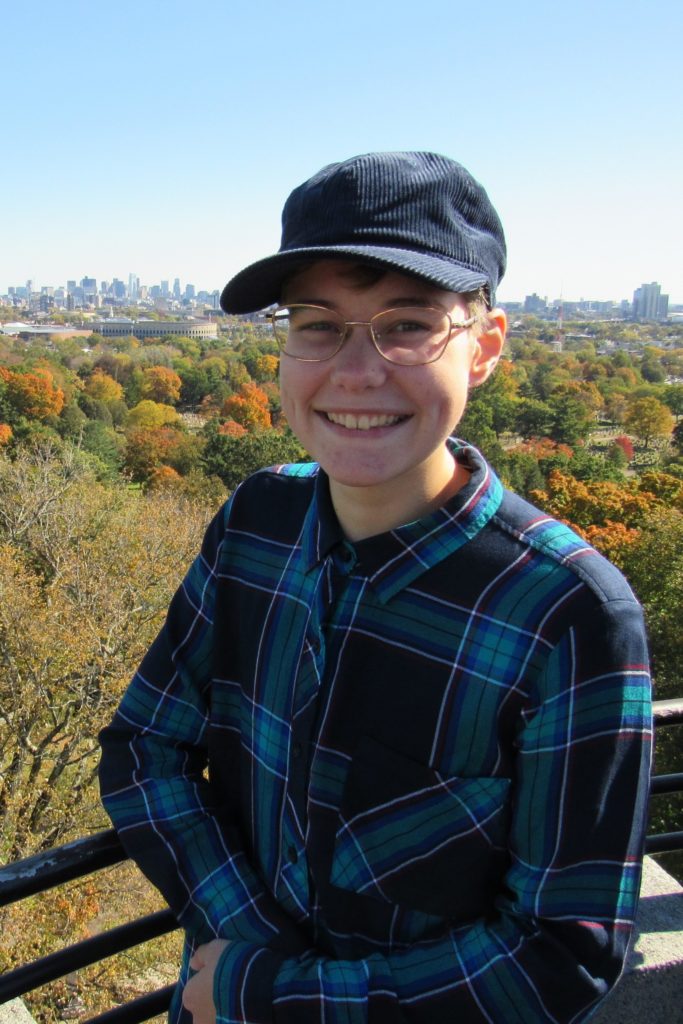
Ffion Titmuss, a co-op in the Lotterhos Lab, modeled plasticity as a response to rapid global change, particularly temporally fluctuating environments. They showed that higher migration rates and higher correlations between an individual’s environments of development and selection both increased plasticity in populations.
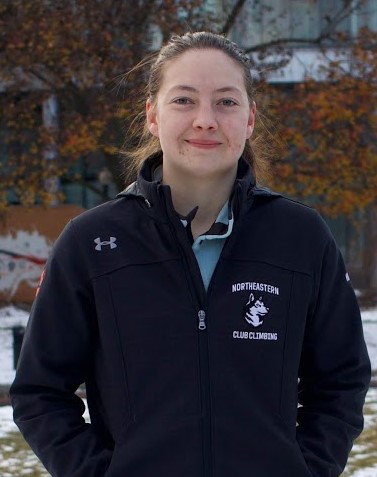
Brynnydd Hamilton, a co-op from the Muñoz Earth Surface Systems Lab, explained how she used Google Earth satellite imagery and the Global Flood Awareness System to determine changes in discharge in the Mississippi River over the last 1500 years. She found that evaporation may be the primary driver behind changes in discharge over time.
Congratulations to all of these scholars for their contributions to MSC research!