
Emily Stangel, Collections Assistant, and Dan Distel, Director
September 8, 2026
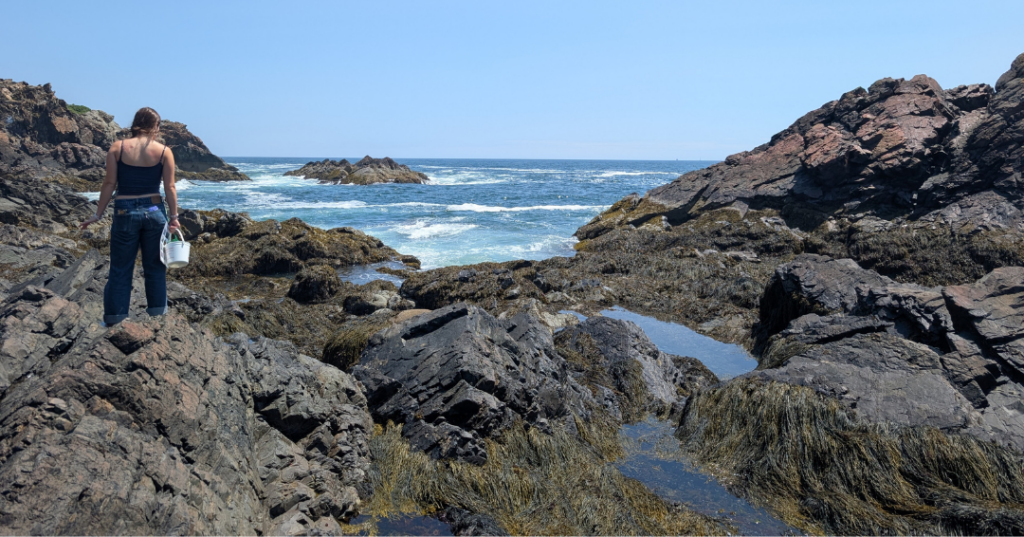
After months of thoughtful planning, OGL and the Three Seas Program launched their new Taxonomy Summer Camp & Bioblitz, offering MSC community members a unique opportunity to explore New England’s coastal biodiversity and gain firsthand experience in marine collection and biorepository science.
Through classroom instruction and hands-on fieldwork, participants mastered species identification, specimen collection, tissue preservation, and biodiversity field research. The program also offered rare behind-the-scenes insight into how OGL operates as both a marine laboratory and a biorepository, with collected specimens and samples ultimately added to OGL’s collection.
Program Overview
The program ran as two two-week sessions, one focused on exploring rocky-shore intertidal environments and the other on diving and snorkeling in subtidal environments, each pairing a week of classroom instruction with a week of hands-on fieldwork.
Taxonomy Summer Camp Teaching Sessions
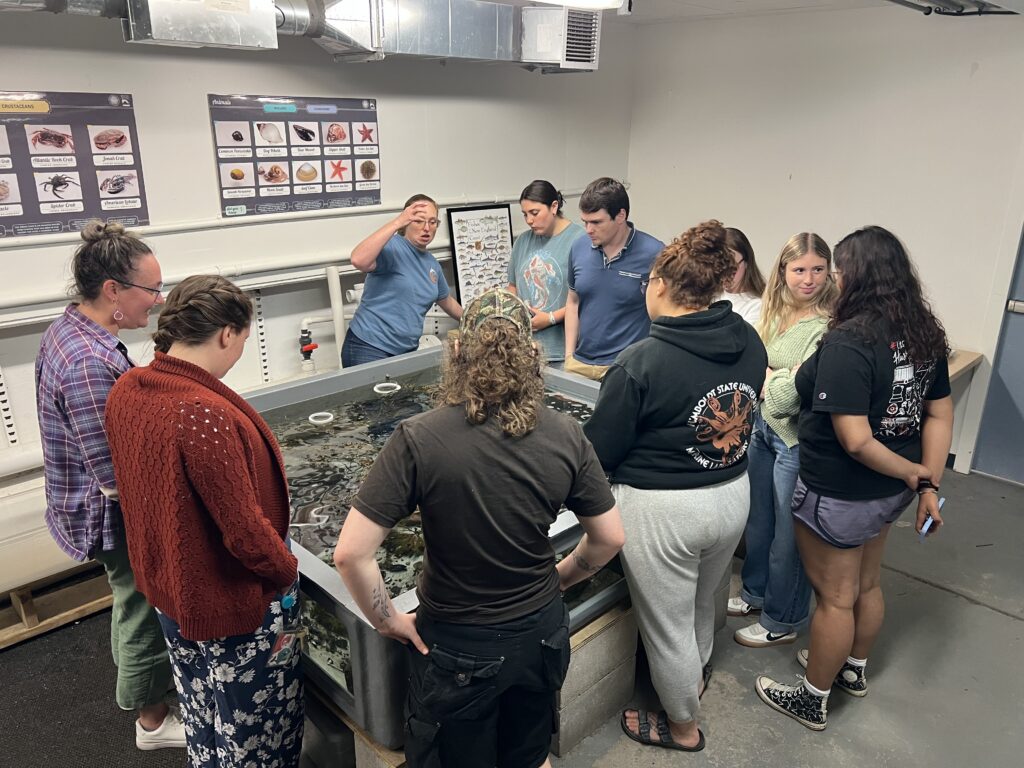
The classroom sessions featured daily one-hour interactive taxonomy workshops led by OGL’s Nicole Peckham, PhD, in which participants gained experience identifying marine invertebrates and algae, preparing them for their upcoming bioblitzes.
Peckham then led the participants to the MSC’s touch tanks, which host myriad marine species found in the Gulf of Maine, where MSC researchers, including Angela Jones (PhD candidate from the Helmuth and Patterson Labs), shared their expertise on identifying and studying New England’s sea stars.
“It was so fun to see all of my coworkers be so excited to learn about and interact with the critters. It really demonstrated that scientists are lifelong learners!” said Peckham.
Bioblitz Sessions
During the intertidal bioblitz, participants surveyed three sites: Canoe Beach, Pumphouse Beach, and Cunner Ledge (all located on East Point). Equipped with boots and buckets, participants collected 377 organisms from 50 taxa (39 species), including sea stars, green sea urchins, crabs, snails, and algae, for later documentation, preservation, and study.
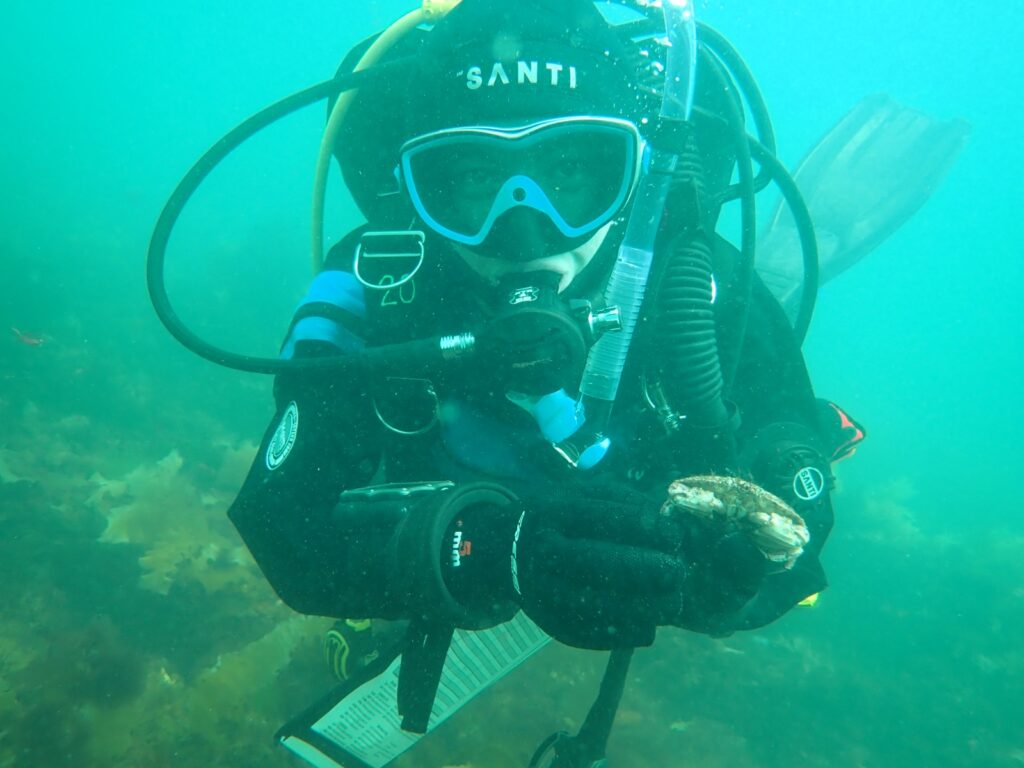
During the subtidal bioblitz, MSC community members certified for scientific diving searched beneath the surface of Pumphouse Beach and collected 100 organisms from 35 taxa (24 identified to species), including lobsters.
After collection, OGL members taught participants how to dissect, preserve, and document specimens for the OGL biorepository, preparing them for future research.
That’s a Wrap!
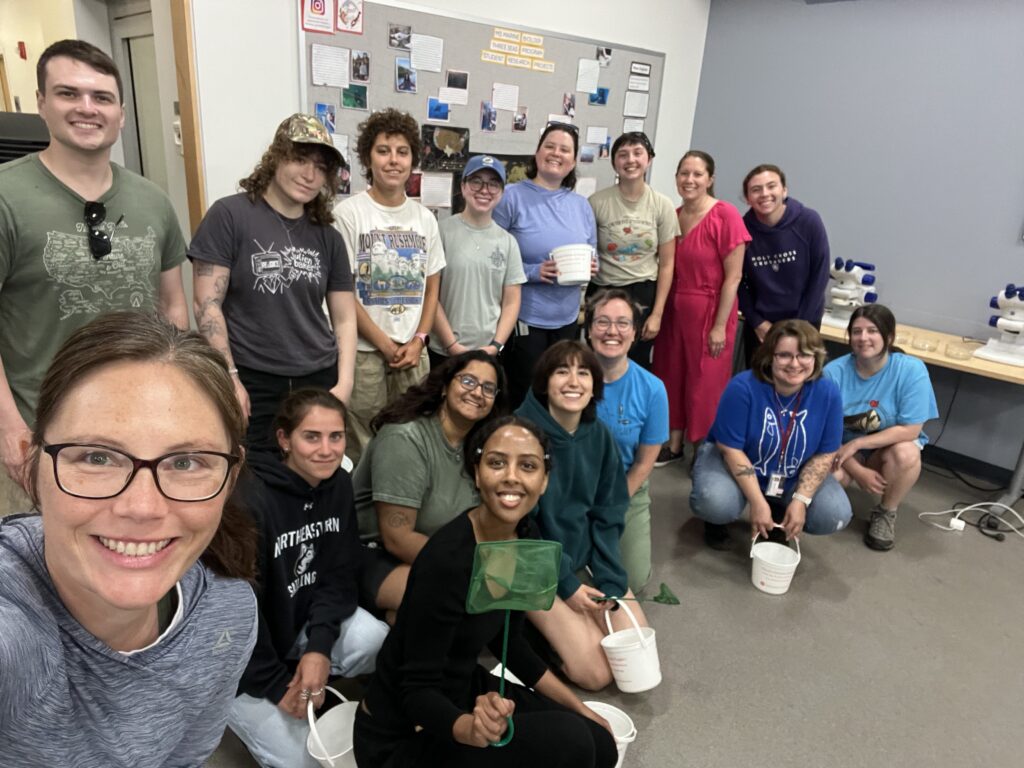
OGL and the Three Seas Program thank all who took part in Taxonomy Summer Camp & Bioblitz this summer. We can’t wait to see how our students use their new skills and where the specimens they collected this summer take marine science next.
Want to support great projects like this one? Your generous donations can have a real impact on ocean health and education; support OGL here.