
“Discovering a new genus is rare and should be celebrated.” So says Ocean Genome Legacy (OGL) Postdoctoral Research Scientist Reuben Shipway in the video abstract for his new publication in the journal PeerJ.
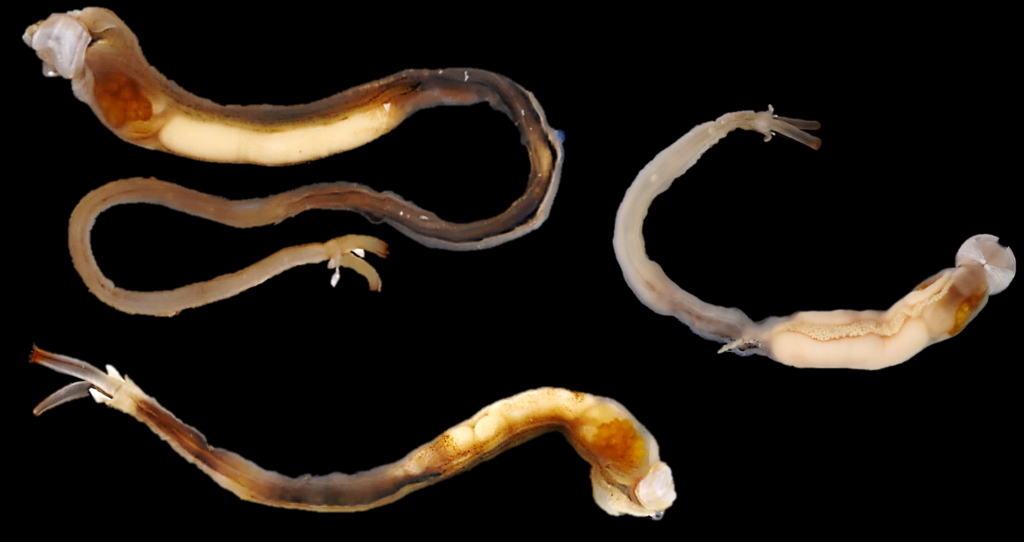
When OGL scientists and their colleagues from the University of the Philippines, the University of Utah, and Drexel University discovered a new species of wood-boring clam in the Philippines, they found that it was a true oddball. It was so different from known species that it needed its own genus. The last genus added to this clam family was nearly 100 years ago, so discovering a new genus is a rare event!
What is the difference between discovering a new species and discovering a new genus? Species are the atoms of biodiversity, i.e., the smallest category that we name. Scientists group species into genera, genera into families, and so on, up to the highest level of kingdom (e.g., animals, plants, and fungi).
Why does anyone care? The fact that we can still discover new organisms that don’t fit in any known category tells us that the biological universe is still full of mysteries waiting to be explored. Could this new species hold the cure for cancer or the solution for climate change? Maybe, but even if it doesn’t, each new species discovered adds a piece to the grand puzzle of scientific knowledge, and when enough pieces fall in place, great new discoveries can be made.
Want to be a part of this important research? By making a gift to OGL, you can help support species discoveries!