
OGL Records Biodiversity in the Pacific Northwest
For Ocean Genome Legacy (OGL) and Northeastern University’s Three Seas Program, the pristine rocky shores and dazzling kelp forests of Puget Sound are real-world “classrooms” where young marine scientists are making biodiversity discoveries and promoting conservation. This spring, OGL and Three Seas teamed up to conduct an educational “bioblitz” survey of marine species at Friday Harbor, home to some of the Pacific Northwest’s most diverse and dynamic sea life.
Located in the San Juan Islands, the University of Washington’s Friday Harbor Laboratories is one of three ecosystems that the Three Seas students explore each year. In Dr. Shannon Lyons’ Marine Conservation Biology course, the young scientists examined critical topics such as climate change, pollution, and invasive species. Then, they plunged into Puget Sound to study biodiversity firsthand. During their bioblitz with OGL, the students collected 81 samples from 67 species, including a clown nudibranch, a helmet crab, and a sunflower star. The place was abuzz with discoveries!
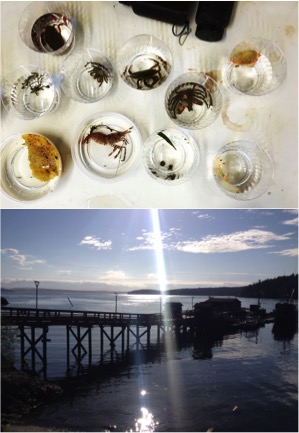
The students contributed valuable new research materials to the OGL biorepository, and their data will support Friday Harbor’s long-term biodiversity monitoring efforts. Plus, the Three Seas Program will return to Friday Harbor every year, helping to study changes in this extraordinary ecosystem. No matter what day of the week it is, OGL is eager to keep inspiring biodiversity education at Friday Harbor!
The OGL biorepository works with educators and scientists around the globe to preserve valuable DNA samples and inspire the next generation of marine scientists. If you would like to support our efforts, please consider making a gift.